

Brazil Beauty Market Entry: What International Brands Need to Know
Most market reports on Brazil are written for Brazilian consumers. This one is not. Strip away the cultural framing and the lifestyle language, and here is what actually matters to a brand or distributor deciding whether Brazil is worth the effort.
Brazil is the third-largest beauty and personal care market in the world, behind only the United States and China — roughly US$37.4 billion in consumer sales, according to Euromonitor International data compiled by ABIHPEC. It represents 43.4% of all Latin American beauty consumption. This is not a frontier market. It is a mature one that happens to still be growing at 7% a year through 2027.
Skincare grew 9.6% in a single year. Haircare, where Brazil already holds global technical credibility, grew 9%. Fragrance, where Brazil ranks 2nd worldwide, grew 10% in 2025. A brand entering with a broad, undifferentiated line competes against everyone; a brand entering through one of these categories competes against fewer, stronger players with a clearer story.
Every product entering this market is classified and reviewed by ANVISA before commercialization, including mandatory adverse-event monitoring under RDC 894/2024 — a real compliance obligation, not paperwork. Brands that treat this as a late-stage detail lose months. Brands that build it into the entry timeline from day one do not.
In 2025, sector exports passed US$1 billion for the first time, up 20.1%, reaching 189 countries. That is not the profile of a closed, purely importing market — it is one with functioning international trade infrastructure already in place, which lowers the operational risk of building a distribution relationship here.
Within this scale, Korean beauty brands — despite rising cultural visibility — hold an estimated 0.2% to 0.4% share of the total market, based on ThinkLab's own analysis of ComexStat trade data converted from FOB to retail value. That gap is the opportunity: proven consumer appetite for innovation, low current saturation from this specific category of international competitors.
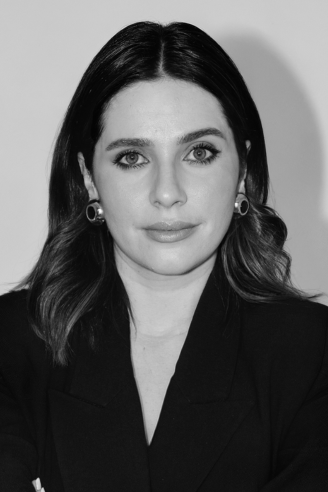
"The market is big, mature, regulated, and selectively underserved — which means entry strategy determines the outcome more than product quality alone."
Nicole Simonato
Founder, ThinkLab
Sources: ABIHPEC, with Euromonitor International data (2024–2025), Mintel GNPD (2025), Comexstat/MDIC-SECEX. K-Beauty share estimate: ThinkLab analysis.